Web Design for Startups UK: Build a Site That Works From Day One
Startups cannot afford a website that just looks good. Here is what early-stage UK businesses actually need from their web design, and how to avoid the mistakes that slow growth from the start.
The Startup Website Problem
Most startups build their first website the same way. They find a designer or a no-code tool, put something together quickly, launch it, and move on to other priorities. The site is live. Box ticked.
Six months later, they are rewriting everything. The messaging does not match where the product has gone. The layout made sense at launch but does not reflect what the business actually does now. And underneath all of it, the site is slow, hard to update, and failing to rank in search.
This is not bad luck. It is what happens when a startup website is built for today without thinking about tomorrow.
What Startups Actually Need From a Website
A startup website has a different job to a corporate brochure or an established brand site. The stakes are high and the timeline is short. You need the site to do real work quickly.
That means several things working together.
Clear positioning from day one. You may still be refining your offer, but your website has to communicate something specific. Vague messaging kills early-stage conversion. "We help businesses grow" means nothing. "We build custom web design subscriptions for UK startups that need to move fast" means something a visitor can act on.
A structure that can change. Your product will evolve. Your audience may shift. The site architecture needs to accommodate updates without requiring a full rebuild every time strategy moves.
Performance built in from the start. You are competing for attention against established players with existing domain authority and backlink profiles. A slow site in a competitive niche is an immediate disadvantage. Google penalises it, users leave, and the compounding cost is invisible until it is too late.
Conversion mechanics from the first version. Even pre-revenue, your site should be capturing interest. Email signups, enquiry forms, demo requests. Not as an afterthought added in phase two, but as a core goal that shapes every design decision.
The Speed-to-Market Trap
There is a version of startup web design that prioritises speed above everything else. Ship something fast, iterate later. That thinking makes sense for product decisions. For web design, it creates a different kind of debt.
A site built badly to launch quickly often takes longer to fix than it would have taken to build properly in the first place. Shortcuts in the structure, uncompressed images, design choices that worked on one page but break on five: these accumulate. The "minimum viable website" that looks fine in demos can quietly kill conversion rates and SEO performance for months before anyone investigates.
The better approach is building something lean and correct from the start. Not over-engineered. Not packed with features you do not need yet. But solid: a codebase that performs, a design that scales, and a structure that reflects where you are going, not just where you are right now.
What Good Startup Web Design Looks Like in Practice
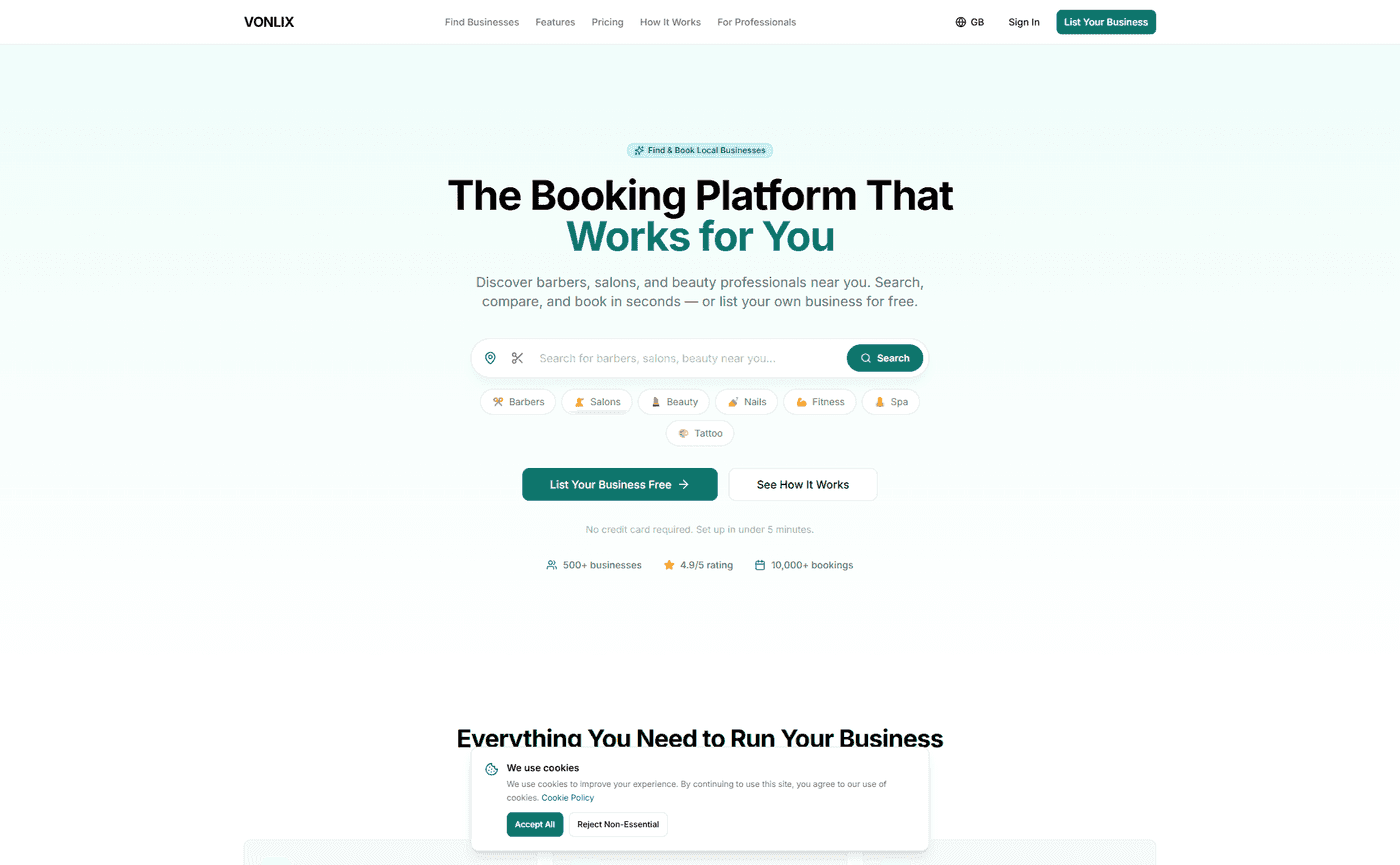
At TsvWeb, we built Vonlix.com from the ground up as a modern, fast-loading brand site with a clear value proposition and clean visual hierarchy.
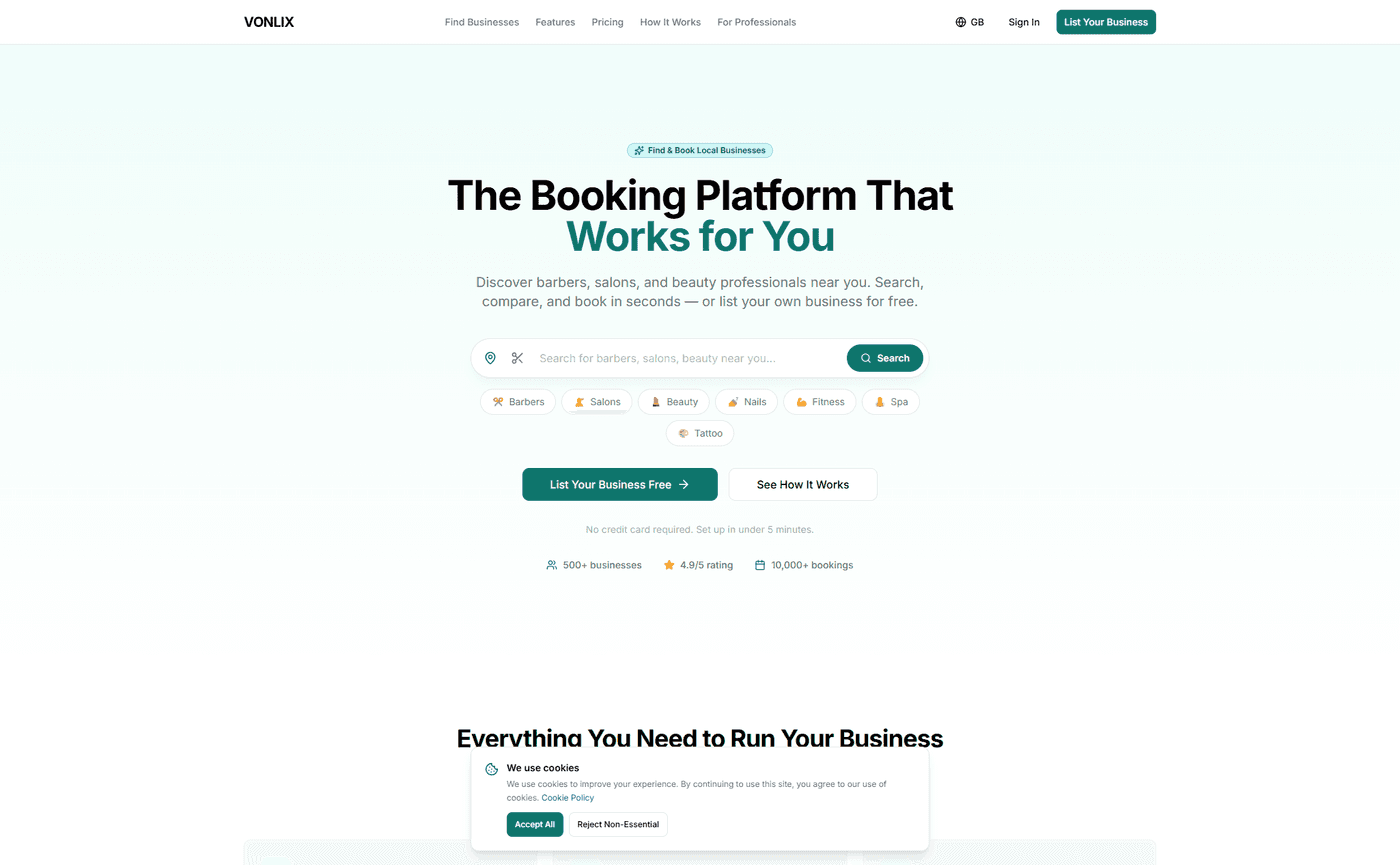
The site does a specific job. It communicates what Vonlix is, who it is for, and what to do next. It loads fast on mobile and desktop. It is built on Next.js, so content updates do not require touching the codebase or waiting on a developer for every change.
That is the template for startup web design done right: clear messaging, fast performance, a structure that grows with the business.
The Platform Question
Most startups face the same question early on: website builder or custom build?
Website builders like Wix or Squarespace are fast and cheap to start with. They also have hard ceilings. Deep page speed control is impossible. Custom integrations require workarounds that break under load. Design constraints become visible quickly as the product grows and the brand matures.
Custom builds on Next.js give you full control from the start. The initial investment is higher. But the performance, the SEO output, and the flexibility return real value over time, especially once you are investing in content, paid acquisition, or outbound sales that need a site to close the deal.
For startups past the idea stage, seeking investment, or building a product that depends on their site for growth, custom is almost always the right call.
Common Mistakes Startups Make
These come up consistently.
Building for themselves, not their audience. The founding team knows the product inside out. That knowledge blinds them to what a first-time visitor does not yet know. The homepage ends up written for people who already understand the product, not for people discovering it for the first time.
Skipping the mobile experience. In 2026, more than 60% of UK web traffic comes from mobile. A site built primarily for desktop is behind before it launches.
Treating SEO as a phase two problem. Organic search takes time to compound. Every month without a solid technical and content foundation is a month of growth left on the table. The businesses that start SEO from day one are the ones that win the traffic race 12 months later.
Picking a platform based on demos, not production. The tool that looked best in a sales presentation is often the one that causes the most pain once the site is live and needs to scale.
How TsvWeb Works With Startups
We offer flat-rate web design subscriptions specifically suited to early-stage UK businesses. One monthly fee, no long-term contracts, design and development included.
That means a startup can launch with a well-built, conversion-ready site and continue iterating on it as the product evolves, without separate project costs for every change. As the business grows, the site grows with it.
We build on Next.js, optimise for performance from the first commit, and design around the actual goal: getting visitors to take action.
No fluff. No subscription you will forget about. Just a site that works.
Ready to Build Something That Works?
If you are a UK startup building out your web presence, talk to us about what you need. We will give you a straight answer on what makes sense at your stage and what it would take to build it properly.