Custom Web Design vs Website Templates: Which Is Worth the Investment?
Templates get you online fast. Custom design gets you ahead. Here's an honest breakdown of what each actually delivers — and when the cheaper option costs you more.
The Template Trap
There's a moment most business owners recognise: you're comparing website quotes, the custom design comes in at £4,000, and then you notice that Squarespace is £15 a month and has a template that looks pretty close to what you described.
The template wins. You're live in a weekend. Job done.
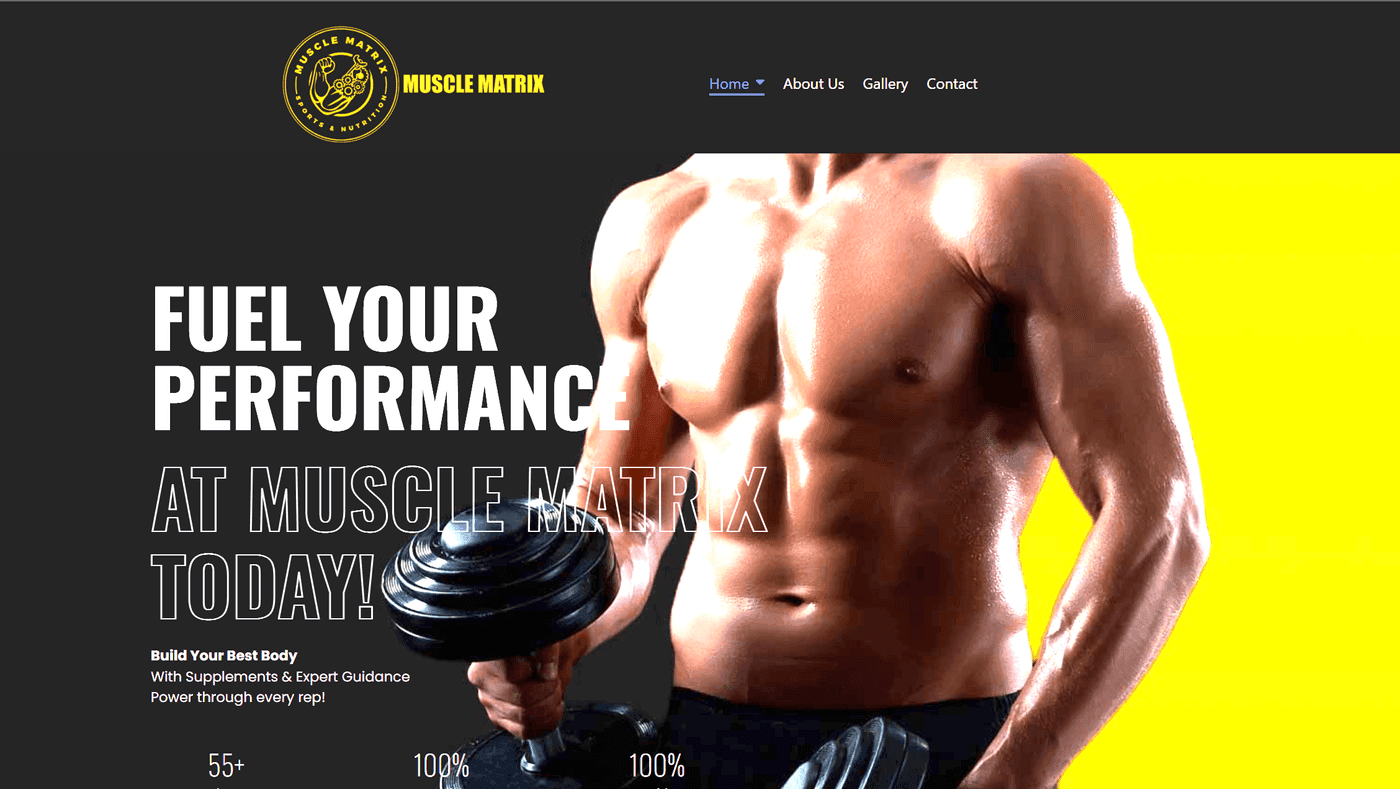
Six months later, the shine has worn off. The site looks like five other businesses in your industry. You can't change the layout without breaking things. Your developer says the template's proprietary structure makes custom functionality awkward to add. The load time is mediocre because you don't control the underlying code. And every design decision you want to make hits a wall.
This is the template trap. Not a catastrophe — but a slow, persistent ceiling on what your website can do for your business.
What a Website Template Actually Is
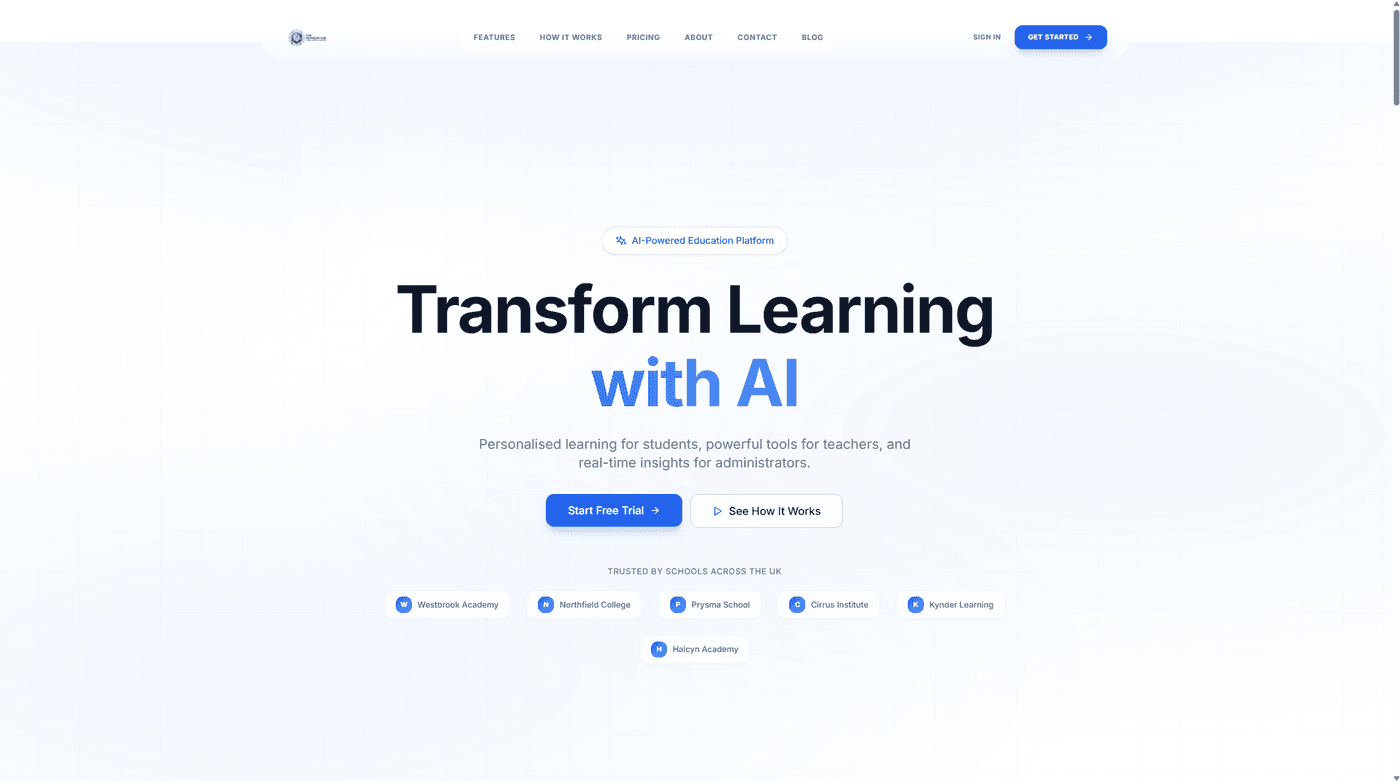
A template is a pre-built design and structure that you populate with your own content. Most website builders (WordPress themes, Squarespace, Webflow, Framer) operate on this model.
The appeal is real:
- Low upfront cost (often £0–200)
- Quick to get live
- No design skills required
- Recognisable, tested layouts
The limitations are equally real:
- The same template is used by thousands of other websites
- Customisation is constrained by what the template allows
- Performance depends on the template developer's choices, not yours
- You don't own the design — you're licensing a look
A template gives you a starting point that was designed for nobody in particular, adapted to fit your content as best it can.
What Custom Web Design Actually Means
Custom web design means the site is built from the ground up around your specific brand, goals, and audience. There's no template as a starting point — the structure, layout, components, and visual language are created specifically for you.
This has implications for every layer of the site:
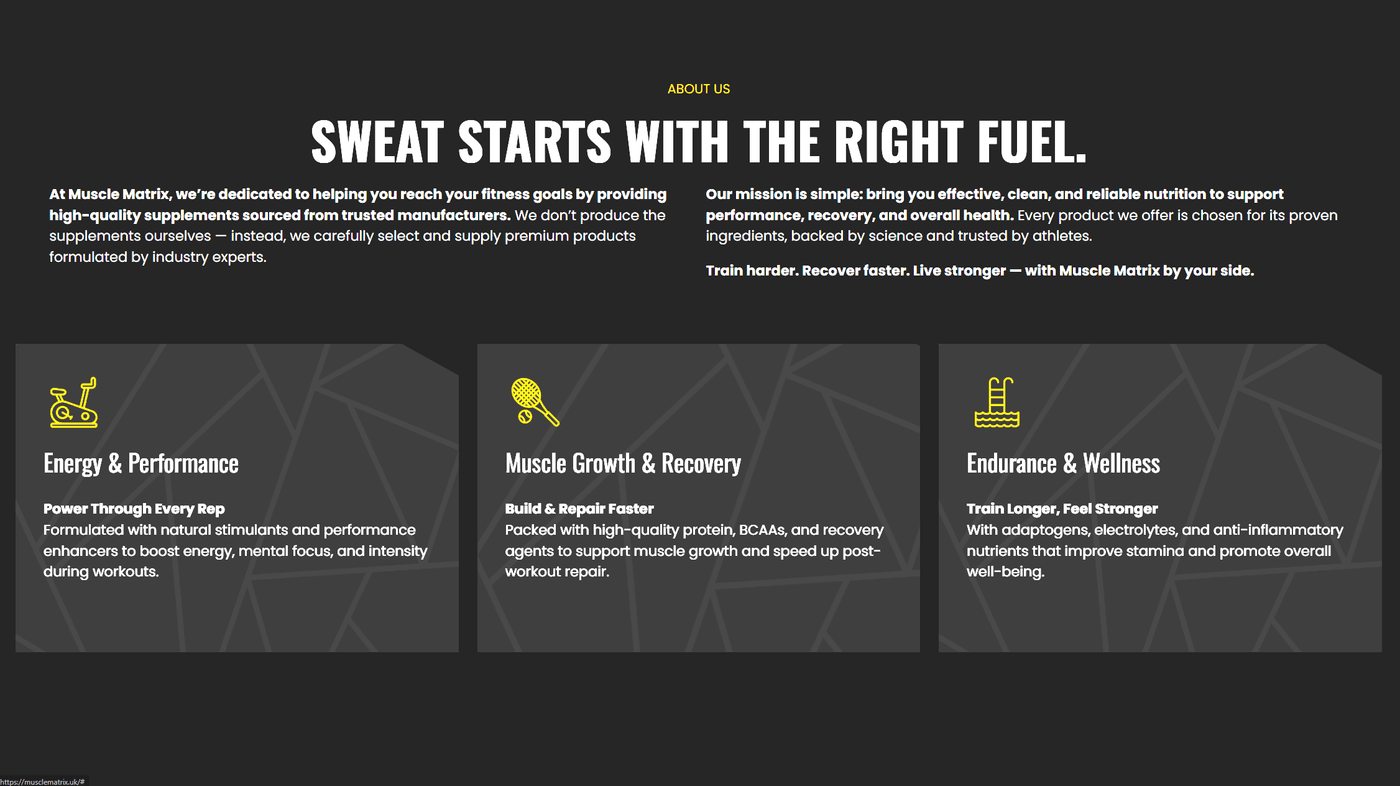
Visual identity: The site looks like your business, not like a category of businesses. Competitors can't replicate your site by switching to the same theme.
Structure and layout: The information hierarchy is built around how your audience actually thinks and what you need them to do — not around what the template author assumed was universal.
Performance: Custom-built sites can be optimised at the code level. There's no bloated theme framework loading scripts and stylesheets you don't use.
Functionality: Custom components, integrations, and features can be added cleanly. You're not trying to bolt things onto a structure that wasn't designed to accommodate them.
Ownership: The code belongs to you. There's no platform lock-in, no template licence to renew, no risk that the theme is discontinued.
The Real Cost Comparison
The headline numbers favour templates heavily. A Squarespace template costs £0. A premium WordPress theme costs £50. Custom design starts at £2,500 and goes up from there.
But the comparison breaks down quickly when you look at total cost of ownership over three to five years.
Template website (3 years):
- Template/builder subscription: £180–600/year
- Developer time for customisations: £500–1,500/year
- Performance plugins and tools: £100–300/year
- Eventual redesign when the template ages or is discontinued: £1,500–3,000
- Three-year total: roughly £3,500–7,000
Custom-built website on a subscription (3 years):
- £299/month retainer (build included, ongoing updates, hosting, support)
- Three-year total: £10,764
On raw numbers, the template wins again. But what does the custom-built site do that the template site doesn't?
It improves. Every month, the custom site gets refined. New pages added. Copy tested. SEO adjustments made as data comes in. Conversion pathways optimised. The template site sits static, its design frozen at the day it launched.
After three years, the custom subscription site is a sharper, better-performing asset than it was at launch. The template site is showing its age and about to need a rebuild.
Where Templates Cost You More Than the Price
Brand differentiation: When your website uses the same template as three competitors, you're telling the market you're interchangeable. First impressions happen in milliseconds. Generic design communicates generic business.
Conversion performance: Templates are designed to look presentable. They're rarely designed around conversion logic. Custom design can prioritise the exact journey you want visitors to take.
SEO and load speed: Template frameworks carry overhead. Unused CSS, JavaScript dependencies, and render-blocking scripts are common template issues. Custom code can be kept lean, which directly affects Core Web Vitals and organic rankings.
Flexibility ceiling: The moment you want something the template doesn't support — a custom booking flow, an interactive product visualiser, a dynamic pricing calculator — you hit a wall. You're either hacking around the template or rebuilding parts of the site outside it.
When a Template Actually Makes Sense
Templates aren't always the wrong choice. There are situations where they're entirely appropriate:
- Pre-launch validation: If you're testing a business idea and need any web presence quickly, a template is the right call. Get proof of concept before investing in custom.
- Very simple, stable sites: A one-page portfolio or a basic landing page with minimal content may never need the flexibility of a custom build.
- Extremely tight budgets with no design needs: If cash is genuinely the constraint and the website is not a primary revenue driver, a template is a practical choice.
The problem isn't using templates in these situations. It's assuming a template is appropriate when your website is supposed to do serious work for a serious business.
The Right Question to Ask
The decision between custom design and templates isn't really about upfront cost. It's about what role your website plays in your business.
If the website is a passive presence — something you need to exist but that doesn't actively generate leads, build credibility, or convert visitors — a template may be enough.
If the website is a commercial asset — a primary or secondary channel for new business, a credibility signal for sales conversations, a tool for building your audience — then treating it like a one-size-fits-all commodity will cost you.
The businesses that invest in custom design don't do it because they want something prettier. They do it because they understand their website is doing work, and they want the work done properly.
How TsvWeb Approaches This
Every site we build is custom — designed from scratch around your brand, built in Next.js for performance and ownership, and maintained on an ongoing basis so it keeps improving rather than collecting dust.
We don't offer templates. Not because they're inherently bad, but because our clients use their websites to grow their businesses. That requires a site designed around their specific goals, not a pre-built structure they've been dropped into.
If you're weighing up your options and want an honest conversation about what custom design would look like for your business — including cost and timeline — get in touch with us.