E-Commerce Website Design UK: What Separates High-Converting Stores from the Rest
Template e-commerce stores are easy to launch but hard to scale. Here's what custom e-commerce website design actually delivers for UK brands, and why the difference shows up directly in revenue.
The Gap Between Launching a Store and Running a Successful One
UK e-commerce is growing at 8-12% year-on-year. More competition, more brands launching online, more noise for customers to cut through. Standing out on a generic Shopify template has become significantly harder as every store starts to look like the next one.
The brands winning in UK e-commerce right now treat website design as a commercial tool rather than a one-time technical task. They invest in experiences that convert, not just designs that look presentable.
This post breaks down what separates high-converting e-commerce sites from average ones, and why the decisions made at the design stage determine so much of what follows.
Why Template E-Commerce Has a Ceiling
Shopify, WooCommerce, and BigCommerce templates are excellent starting points. They are affordable, fast to launch, and handle the basic mechanics of e-commerce reliably.
The problem is that templates are built for everyone, which means they are optimised for no one in particular. They cannot reflect your specific brand positioning, cannot be structured around your specific customer journey, and cannot be built for your specific performance requirements.
The ceiling becomes visible when you want to:
- Customise the checkout flow to reduce drop-off at key stages
- Build product discovery logic that fits your actual catalogue
- Create landing pages that convert paid traffic efficiently
- Integrate with bespoke fulfilment, CRM, or ERP systems
- Load instantly on mobile even with a large product range
At that point, you are working around the template rather than building on it.
What Custom E-Commerce Design Actually Changes
The brand experience stays consistent from first visit to checkout
Templates interrupt brand experience with generic UI patterns at the most critical conversion moments -- adding to cart, working through checkout, managing orders. A custom build ensures the experience feels like your brand from landing page through to order confirmation.
Product discovery is designed around your catalogue
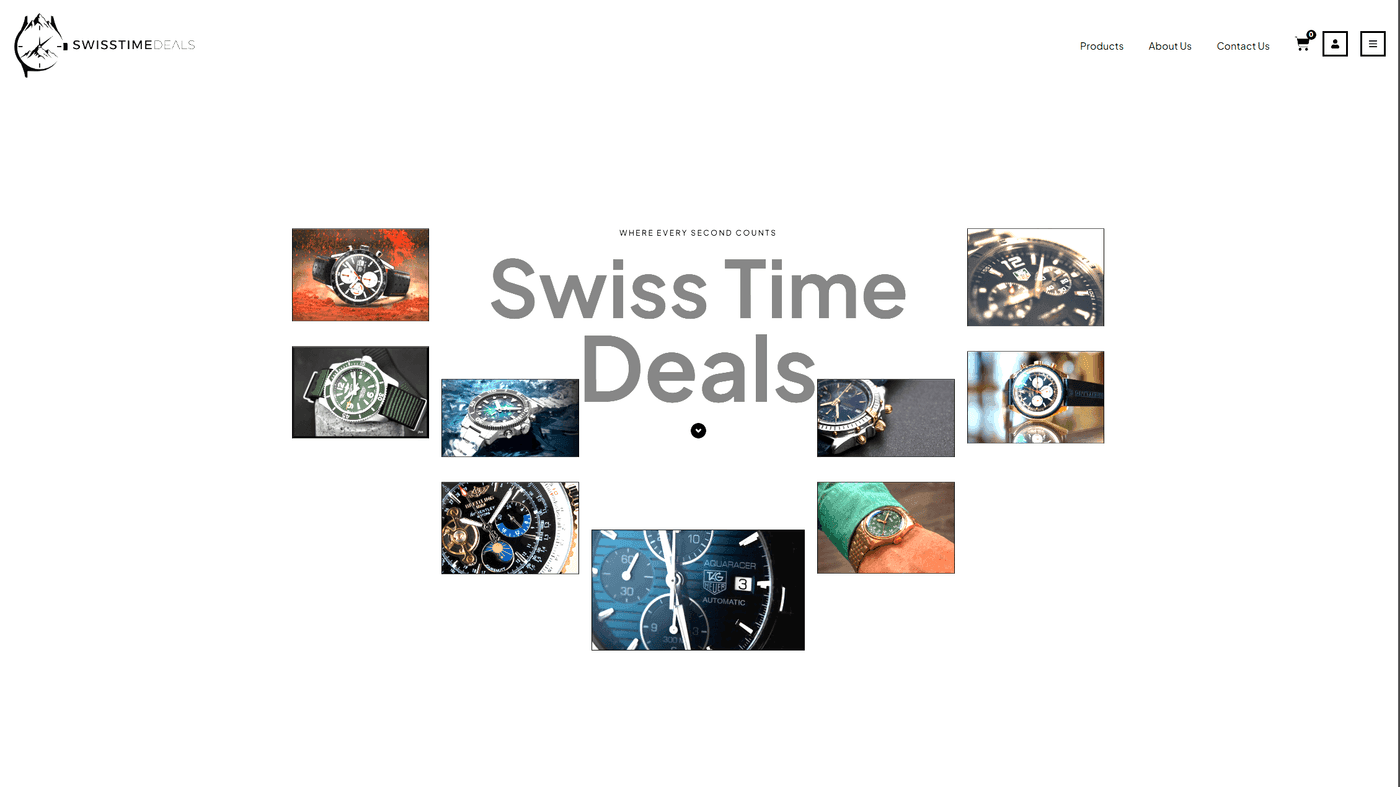
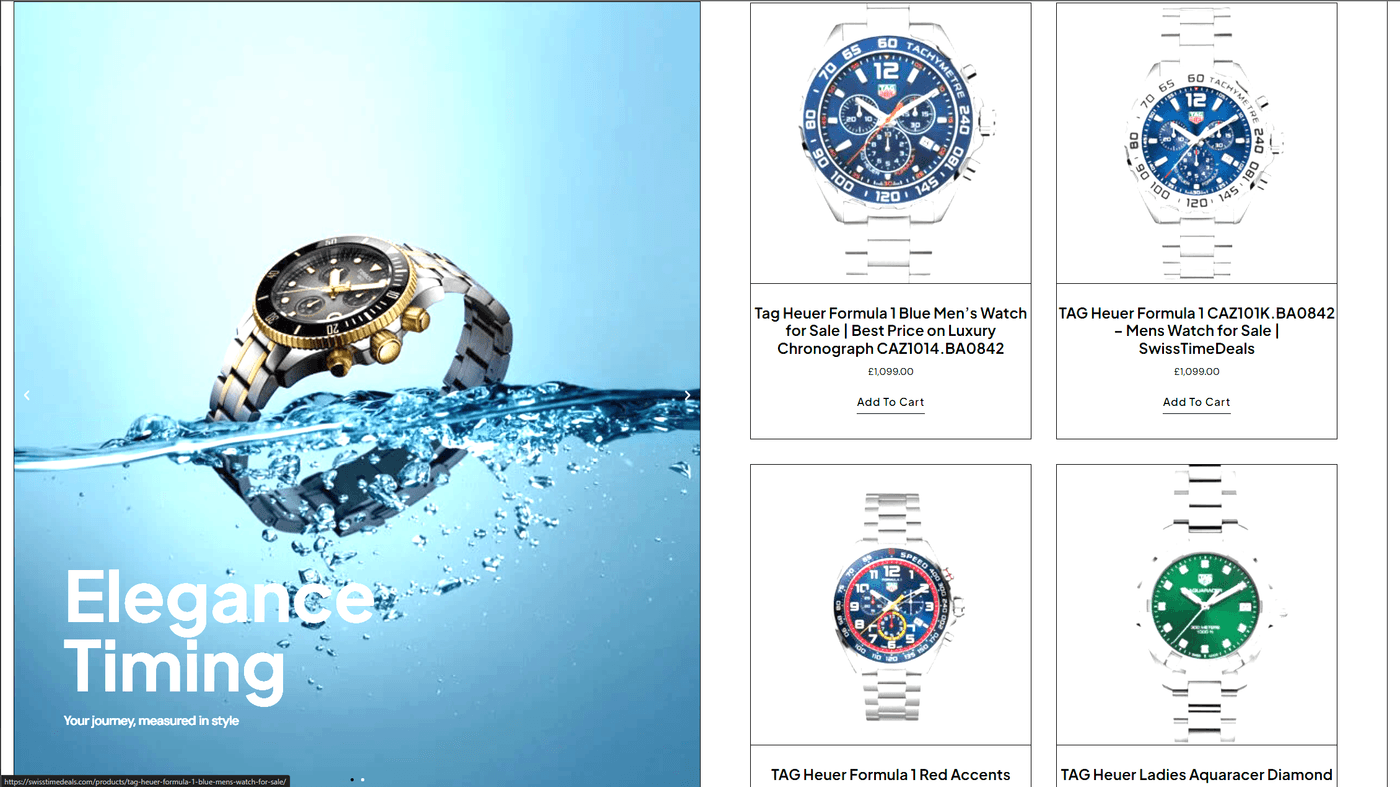
A luxury watch retailer and a sports supplement brand have fundamentally different browsing patterns. SwissTimeDeals needed filtering by movement type, case material, and price band. MuscleMatrix needed filtering by goal, flavour, and product range. Template navigation does not accommodate these differences cleanly.
Custom design lets you build the product discovery experience that matches how your actual customers shop, not how a generic template assumes they do.
Mobile performance is built in, not bolted on
Mobile e-commerce conversions in the UK lag behind desktop by 30-40% on average, primarily because mobile shopping experiences are worse. Template stores inherit the performance characteristics of their parent platform. Custom builds using Next.js and server-side rendering routinely achieve sub-2-second load times on mobile, which directly reduces bounce rates and lifts conversion.
Trust signals are placed where they actually work
Reviews, guarantees, secure payment badges, return policies, founder stories -- these signals convert browsing visitors into buyers. Template layouts position them where the template dictates. Custom design positions them where your specific customer journey needs them.
The Three Design Decisions That Move Revenue Most
Product page architecture
The product page is where purchase decisions are made. Clear hierarchy between product name, price, key benefits, and call to action matters at every pixel. Social proof -- reviews, user photos, bestseller labels -- should be visible without scrolling. Size guides, delivery information, and returns policies should answer objections before they form.
Most template product pages bury this information or present it in ways that create doubt rather than confidence.
Checkout flow
Every step added to checkout reduces conversion. A standard Shopify checkout runs between three and five steps. Custom builds reduce this to one or two by removing friction at each point, pre-filling data where possible, and eliminating the visual noise that causes people to pause and reconsider.
The UK average checkout abandonment rate sits around 75%. Improving that by 10-15 percentage points has an outsized impact on revenue without spending another pound on traffic.
Category and landing page design
Paid traffic in UK e-commerce is expensive. A Google Shopping campaign or Meta ad funnels potential buyers directly to your product or collection pages. If those pages are not designed to convert, every pound spent on ads is underperforming.
Custom category and landing pages can be built specifically for the intent of the traffic source -- seasonal campaigns, product benefit angles, specific audience segments -- rather than serving every visitor the same generic view.
TsvWeb E-Commerce Builds
We have built custom e-commerce sites for UK brands across different product categories, all starting from the same foundation: performance-first, brand-led, conversion-focused.
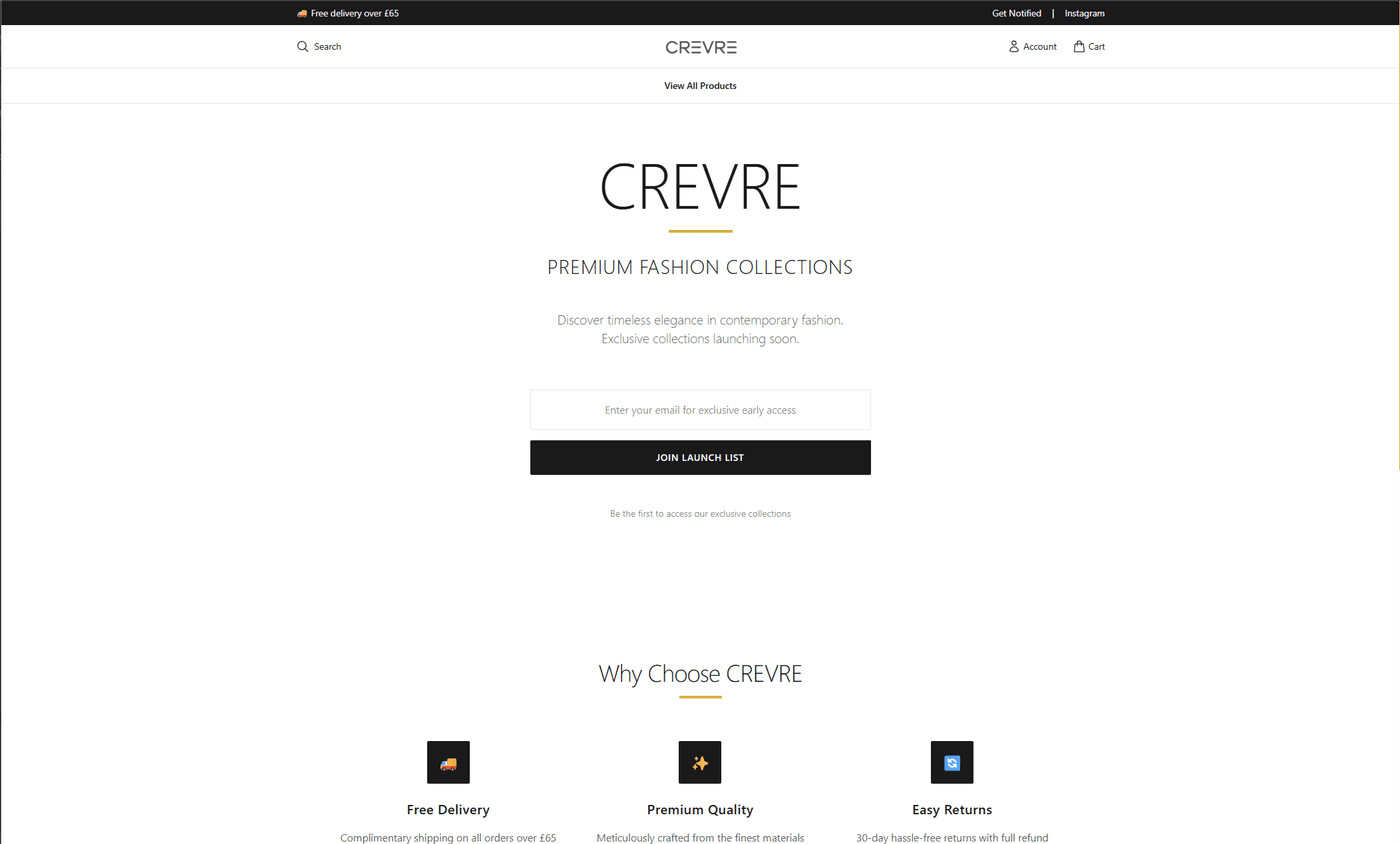
SwissTimeDeals required a build that communicated luxury while maintaining fast load times across a large, technically complex catalogue. Crevre needed a fashion-focused mobile experience that matched the quality of the brand. MuscleMatrix needed product discovery logic and supplement recommendations built directly into how visitors browse.
Each is built in Next.js, hosted on fast infrastructure, and maintained on an ongoing subscription. That means the site improves month-on-month rather than sitting static until the next redesign cycle in two or three years.
What UK E-Commerce Brands Should Prioritise
If you are planning a new e-commerce build or a redesign of an existing store, these are the areas that drive commercial results most directly:
Performance over aesthetics. A clean site that loads in 1.5 seconds converts better than a visually rich site that takes 5 seconds. Get performance right first, then layer in brand depth.
Design for the primary conversion path. 80% of revenue typically comes from 20% of products. Design the core journey around that path before optimising everything else.
Invest in mobile. UK mobile commerce is still growing. Brands that deliver a genuinely good mobile experience have an advantage that compounds over time.
Run the numbers on ROI. Custom e-commerce builds range from £4,000 to £20,000 or more as a project. On a subscription model, you are looking at £299-499/month including ongoing design, updates, and maintenance. Either way, calculate how many incremental conversions are needed to pay back the investment. For most established UK e-commerce brands, the threshold is lower than expected.
If you are building or rebuilding a UK e-commerce store and want a direct conversation about what custom design changes and what it does not, reach out and we will give you a straight answer.