Landing Page Design: Why Your Ads Are Burning Money and How to Fix It
A bad landing page turns good ad spend into wasted budget. Here is what high-converting landing page design actually requires, and why most businesses are getting it wrong from the first pixel.
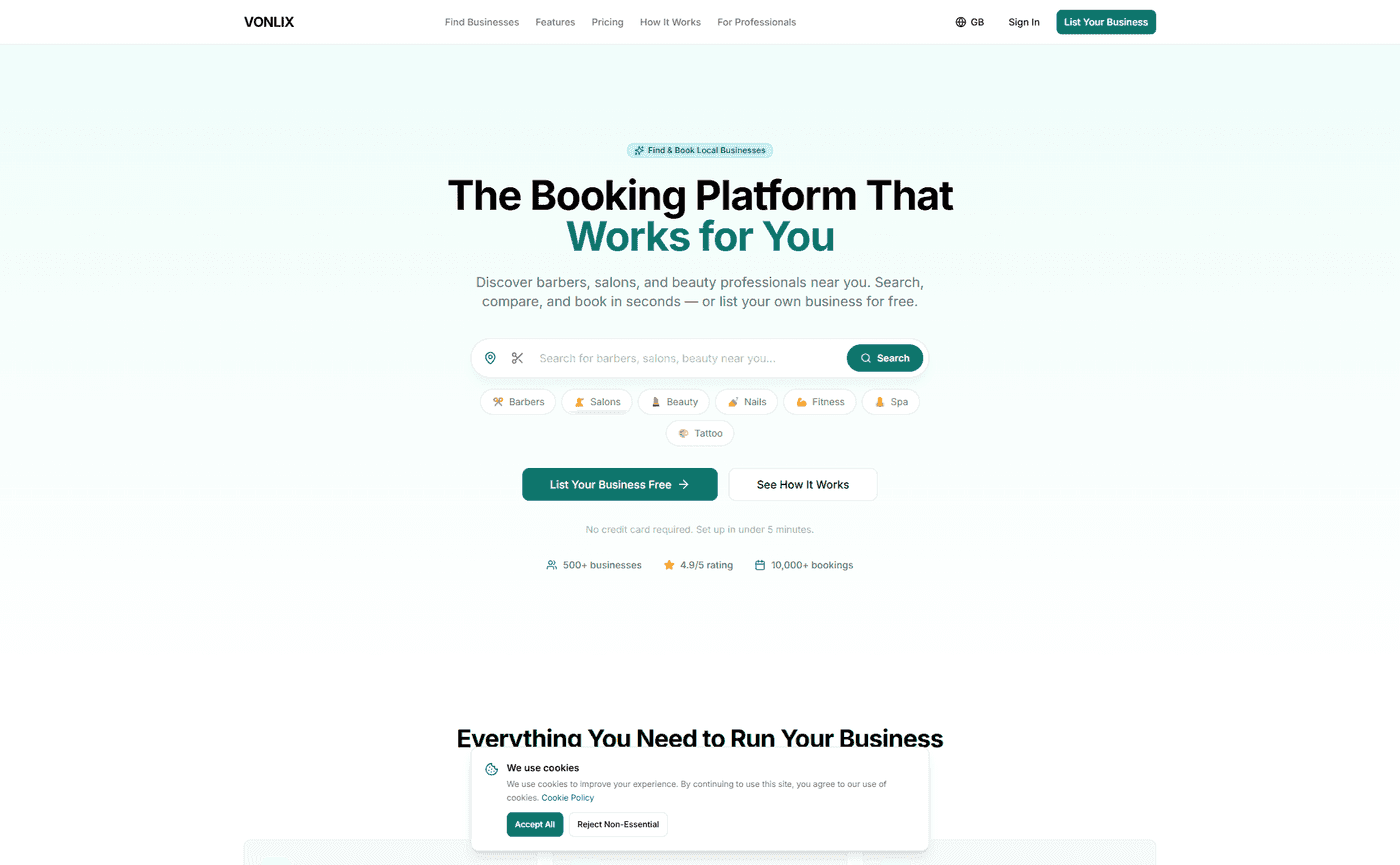
The Problem Starts Before Anyone Clicks Your Ad
Most conversations about ad performance obsess over the ad itself. The headline, the creative, the targeting, the bidding strategy. These things matter. But the majority of wasted ad spend happens after the click, not before it.
A visitor clicks your ad because something promised them a solution. They arrive on your landing page. Within five seconds, they decide whether the promise holds up. If it does not, they leave. You paid for that click. You got nothing from it.
This is the fundamental problem with most landing pages in the UK: they are not designed for this moment. They are either a homepage with too much going on, a services page that hedges across multiple offerings, or a template that was never built around the specific promise the ad made.
Fix the landing page and the economics of the entire ad campaign shift. The same budget generates more leads, lower cost per acquisition, and a higher return on spend. You do not need more traffic. You need better conversion from the traffic you have already paid for.
What a Landing Page Actually Is
A landing page has one job. Not two. Not a range of options the visitor might find useful. One specific goal, for one specific visitor arriving from one specific source.
That is what separates a landing page from any other page on your website. A homepage introduces your business. A services page covers your full offering. A landing page strips all of that away and asks one question: given everything you already know about this visitor and where they came from, what is the single action that moves them forward?
For a solicitor running Google Ads on "employment lawyer Manchester", the landing page should be: a specific page for employment law, explaining the firm's expertise in that area, with a prominent call to action to book a free consultation. Not the firm's homepage. Not a general services overview. A targeted page that says: yes, this is exactly what you searched for, here is why we are the right choice, here is what to do next.
The closer the landing page matches the intent and language of the ad, the higher the conversion rate. This alignment between ad and page is called message match, and it is the single biggest variable in landing page performance.
The Anatomy of a Landing Page That Converts
Above the fold: one clear offer, one clear action
Everything visible without scrolling needs to do two things simultaneously: confirm that the visitor is in the right place, and tell them what to do. The headline should reflect the search term or ad message. The subheading should add a credibility layer. The call to action should be visible, specific, and singular.
"Get a free quote in 24 hours" is a call to action. "Learn more" is not.
Social proof positioned early, not buried
Most landing pages put testimonials at the bottom, treated almost as an afterthought. High-converting pages put proof as close to the top as possible. A single specific testimonial from a real customer, with their name and a specific outcome, positioned immediately below the hero section, outperforms three generic paragraphs of features every time.
Proof builds permission to proceed. Position it where the decision is being made, not where the page happens to end.
One form, minimum fields
If your landing page includes a form, it should ask for the minimum information required to take the next step. Name, email, and one qualifier question is almost always enough. Every additional field reduces completion rates. A form with seven fields might feel thorough. It converts at a fraction of the rate of a three-field form.
The job of the form is not to gather data. It is to convert the visitor. Get the minimum needed to open the conversation and gather the rest when you follow up.
Speed that does not punish mobile visitors
A landing page receiving paid traffic cannot afford to be slow. Every second of load time above one second costs conversions. On mobile, which accounts for the majority of ad traffic in most UK verticals, a site taking more than three seconds to load loses more than half its visitors before they see a single word.
Landing pages built on heavy WordPress themes, complex page builders, or unoptimised image assets will always underperform on this metric. Pages built natively in Next.js, with static generation and optimised assets, load in under a second and maintain that speed under load.
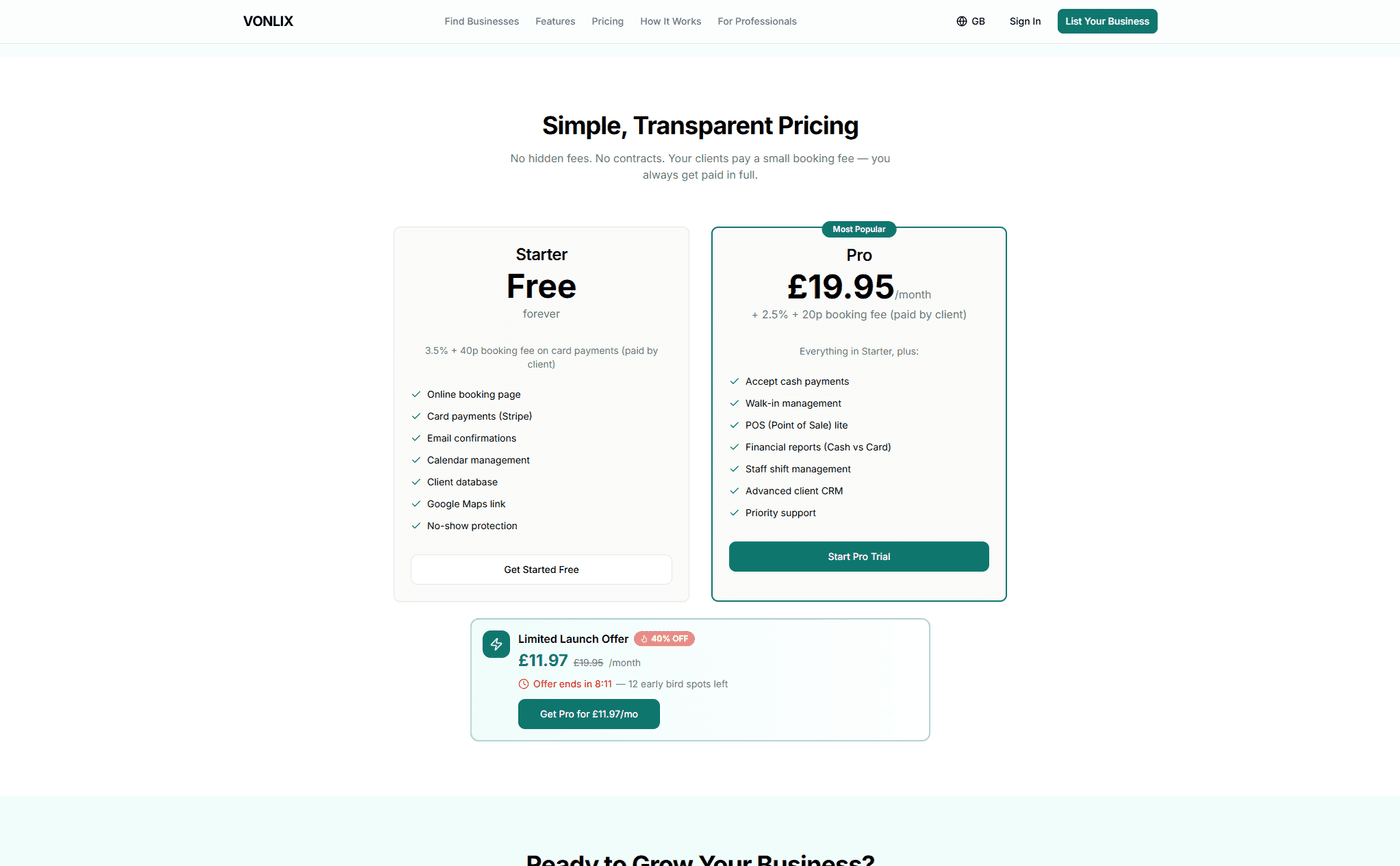
The Mistakes That Are Killing Your Conversions Right Now
Sending ad traffic to the homepage
This is the most common and most costly mistake. Your homepage is designed for visitors who do not know much about you yet. It introduces the business, covers multiple services, and tries to serve multiple audiences. A visitor arriving from a specific ad has a specific intent. A homepage scatters that intent across too many options.
Build a dedicated page for each campaign, or at minimum each major ad group. The additional build cost pays back in conversion rate improvement within the first few hundred clicks.
Too many calls to action
If your landing page offers three different next steps, most visitors take none of them. Conversion design is about reducing choice, not expanding it. Identify the one action that matters, make it obvious, and remove everything that competes with it.
Secondary information can live on the page. Secondary calls to action should not.
Copy that talks about you instead of the visitor
"We are an award-winning agency with 15 years of experience" is about you. "You will have a new website live within 30 days, backed by our 60-day results guarantee" is about the visitor. One of these closes enquiries. The other fills space.
Landing page copy should speak directly to the specific problem the visitor searched for, in the language they used to search for it, with the outcome they are hoping to achieve made explicit.
No trust signals for first-time visitors
A visitor arriving from a paid ad has no prior relationship with your business. They need to decide whether to trust you in seconds. Without trust signals, the default answer is no.
Relevant trust builders for landing pages include: recognisable client logos, specific before-and-after results, a clear guarantee or risk reversal, the real name and face of the person they will speak to, and any credentials or industry memberships that signal legitimacy.
What to Measure and What to Test
A landing page that is not being measured is a landing page that is not improving.
The core metrics to track are: conversion rate (enquiries divided by total visits), bounce rate, time on page, and scroll depth. These numbers tell you whether visitors are engaging with the page or leaving immediately, and how far down the page they get before making a decision.
Conversion rate is the number that matters most. For a service business landing page, a conversion rate of 5 to 10% is achievable with proper design and message match. Many businesses are running at 1 to 2% and treating that as normal.
Testing should focus on one variable at a time: the main headline, the position of the primary call to action, the length of the form, or the placement of testimonials. Run each test for long enough to gather statistical significance before drawing conclusions. Small changes in these elements produce measurable lifts in conversion over time.
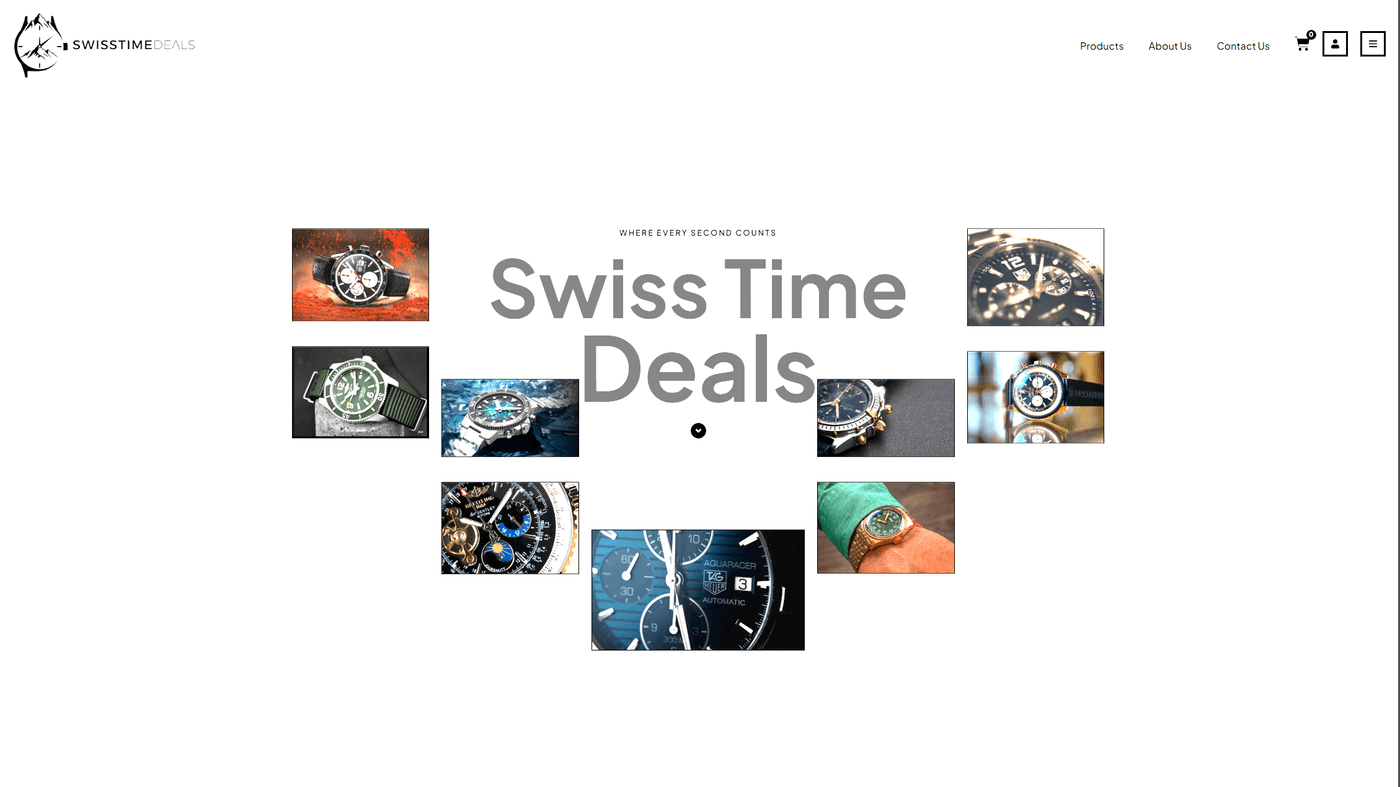
How TsvWeb Builds Landing Pages
We do not use templates or page builders for landing pages. Every page is built in Next.js, designed around the specific campaign goal, and tested for performance before launch.
The process starts with the ad. What promise is being made? What keyword intent does it target? Who is the visitor, and what outcome are they hoping to achieve? The landing page is built backwards from those answers.
We have built landing pages for SaaS products, e-commerce campaigns, service businesses, and lead generation funnels across the UK. The consistent finding is the same: message match, fast load times, and a single clear call to action outperform generic pages in every vertical we have tested.
If your ad spend is generating clicks that are not turning into enquiries, the most likely cause is the page they land on. Talk to TsvWeb about building a landing page that earns back its cost in the first campaign.