Why Technical Buyers Are Searching for a Next.js Agency (Not Just a Web Designer)
CTOs, product leads, and SaaS founders are no longer typing 'web design agency UK' into Google. They're searching specifically for Next.js. Here's what that shift means and what it tells you about the agencies worth choosing.
The Search Has Changed
A year ago, a SaaS founder looking for a web design agency would type "web design agency UK" into Google and scroll through the first page. Today, that same founder types "Next.js agency UK."
That shift is not a coincidence. It reflects how buyers have gotten smarter about the stack their website runs on -- and why that stack matters more than most agencies are willing to admit.
If you've already decided you want Next.js, you're not looking for a generalist. You're looking for a team that builds in it every day, understands its performance model, and won't need six weeks to figure out how the App Router works.
What Is a Next.js Agency?
A Next.js agency is a web design and development studio that builds primarily or exclusively in Next.js -- the React framework developed by Vercel. Unlike agencies that pick whichever tool is most familiar or cheapest for a given project, a Next.js-first agency has depth in the framework rather than breadth across many tools.
That depth shows up in specific ways:
Routing and architecture: Next.js has a specific way of structuring pages, APIs, and data-fetching logic. Agencies that build in it regularly have established patterns for clean, maintainable code. Teams that occasionally dip into it tend to produce messier output.
Performance by default: Next.js builds with performance as a baseline assumption. Image optimisation, font loading, lazy loading, and server-side rendering are all handled at the framework level. An agency that understands these features builds sites that score well on Core Web Vitals without retrofitting.
API routes and backend integration: Next.js lets you build API routes alongside your frontend, which means a good Next.js agency can handle full-stack builds -- not just a static page calling external services.
Deployment and infrastructure: Next.js deploys cleanly to Vercel, but can also run on any Node.js host or edge environment. An agency with Next.js depth can advise on the right deployment setup for your traffic and budget rather than defaulting to the easiest option.
Ownership: Unlike Webflow or Framer, a Next.js codebase is fully portable. The client owns the code and can deploy it anywhere, extend it with any developer, and migrate it without a rebuild.
Why Technical Buyers Specifically Seek This Out
The buyers searching for "Next.js agency UK" are not typical web design clients. They tend to be:
- CTOs and technical co-founders who know the stack and want to hand off the frontend without babysitting the process
- SaaS product leads who need their marketing site to stay in sync with their product's design language and tech stack
- Heads of growth at funded startups who need fast iteration cycles, not a design agency that takes six weeks to change a headline
- In-house developers who want a design-and-build partner that can commit clean code to their existing repository
These buyers are not shopping on price. They're shopping on fit. They've been burned by agencies that over-promised technical capability and delivered a WordPress site or a Webflow export with a Next.js wrapper around it.
The specific search term exists because generic searches produce generic results. Technical buyers have learned to filter earlier in the process.
What Genuine Next.js Depth Looks Like in Practice
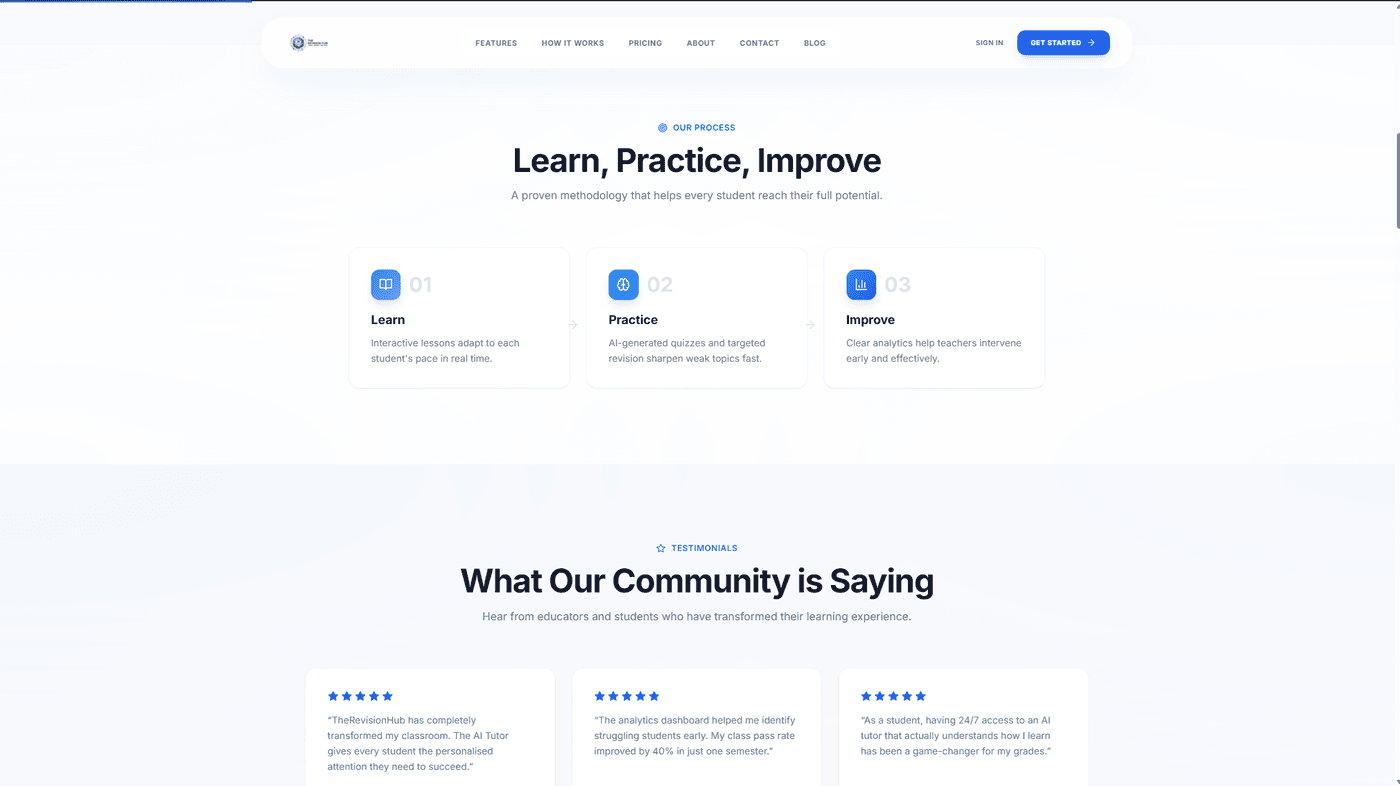
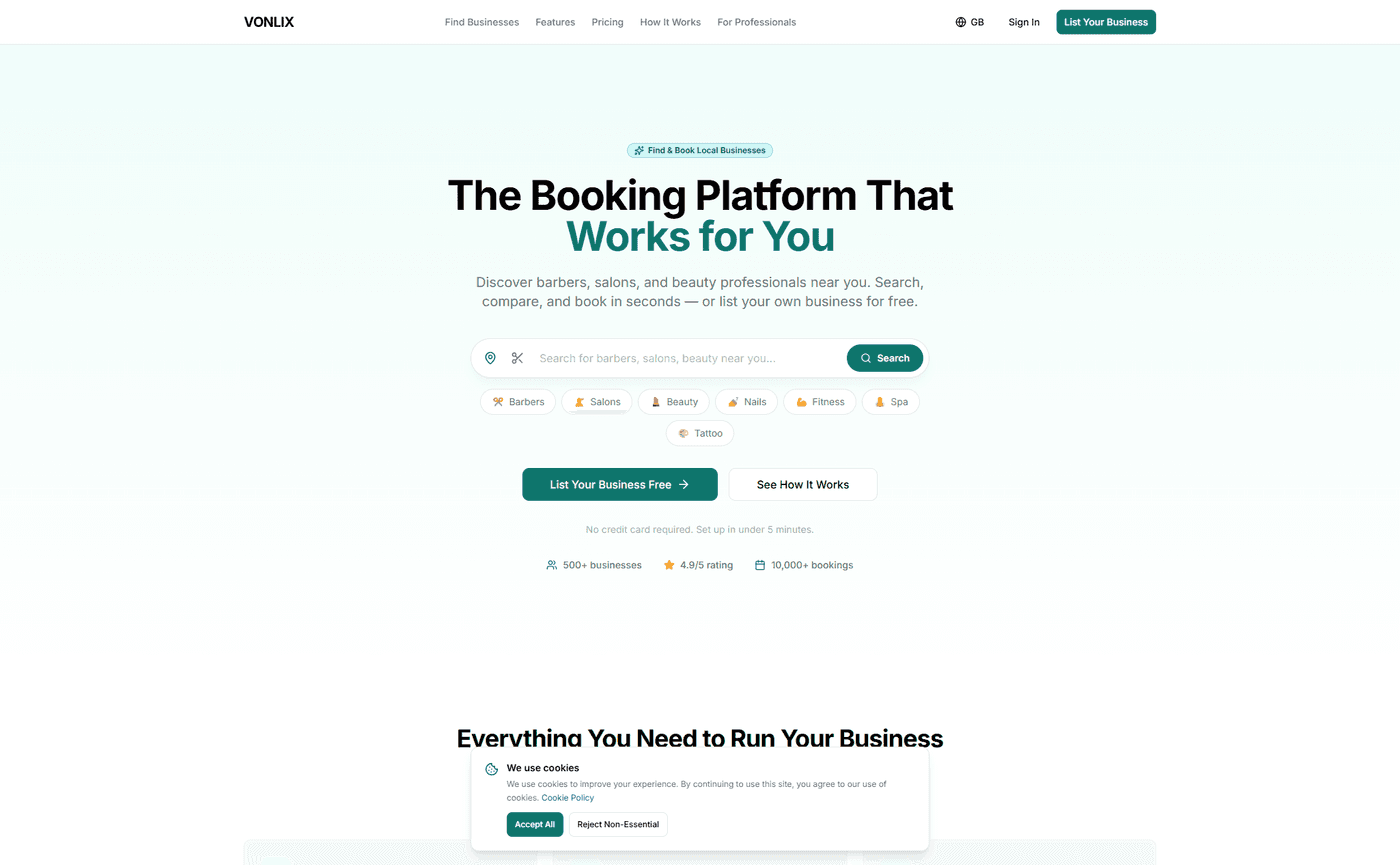
We've built full-stack Next.js applications for clients including Vonlix -- a multi-sided booking platform for the barbering and salon industry -- and TheRevisionHub, an AI-powered student study platform. Both involved complex data models, authentication systems, and real-time features. Neither was a marketing page with animations.
These projects are architected from scratch with the framework's strengths guiding every structural decision. When we deliver, the client gets clean, documented, deployable code -- not a black box tied to our hosting or tooling.
What to Look for When Evaluating a Next.js Agency
If you're evaluating agencies specifically on Next.js capability, these questions are worth asking:
Do they build in Next.js App Router or Pages Router? The App Router (introduced in Next.js 13 and now the standard) uses a fundamentally different mental model for routing, layouts, and data fetching. Agencies that haven't migrated their patterns are working with an outdated approach.
Can they explain when to use server components versus client components? The App Router's React Server Component model is where most generic React developers make architectural mistakes. An agency with genuine depth will have a clear, considered answer.
How do they handle data fetching? Whether it's React Query, SWR, server actions, or direct database queries through API routes, the answer reveals how opinionated and experienced the team is.
What's their deployment approach? Vercel is the default and often the right choice, but an agency should explain tradeoffs across deployment options rather than defaulting because it's the path of least resistance.
Do they deliver code you own? Some agencies retain hosting control as a lock-in mechanism. A trustworthy Next.js agency delivers code you can deploy anywhere, maintained by any developer you choose.
Why Most Web Design Agencies Can't Credibly Answer These Questions
Most web design agencies are not Next.js agencies. They're design-first studios that have added Next.js to their capability list without the depth to back it up. The site might technically run on Next.js, but the implementation might be Pages Router with getServerSideProps on every page, no caching strategy, and a deployment that locks you into their managed hosting.
The "Next.js agency" search term exists precisely because buyers have learned to tell the difference -- and are filtering for it before the first conversation happens.
How TsvWeb Works
We build exclusively in Next.js. Every project -- from a five-page marketing site to a full-stack SaaS application -- is architected in the App Router, deployed to infrastructure the client controls, and handed over with clean, readable code.
Our subscription model means you're not buying a one-off build that ages in isolation. You're working with a team that continues to improve your site as the framework evolves, your business grows, and your audience changes.
If you're a technical buyer looking for a Next.js agency that won't need explaining to -- let's talk.